
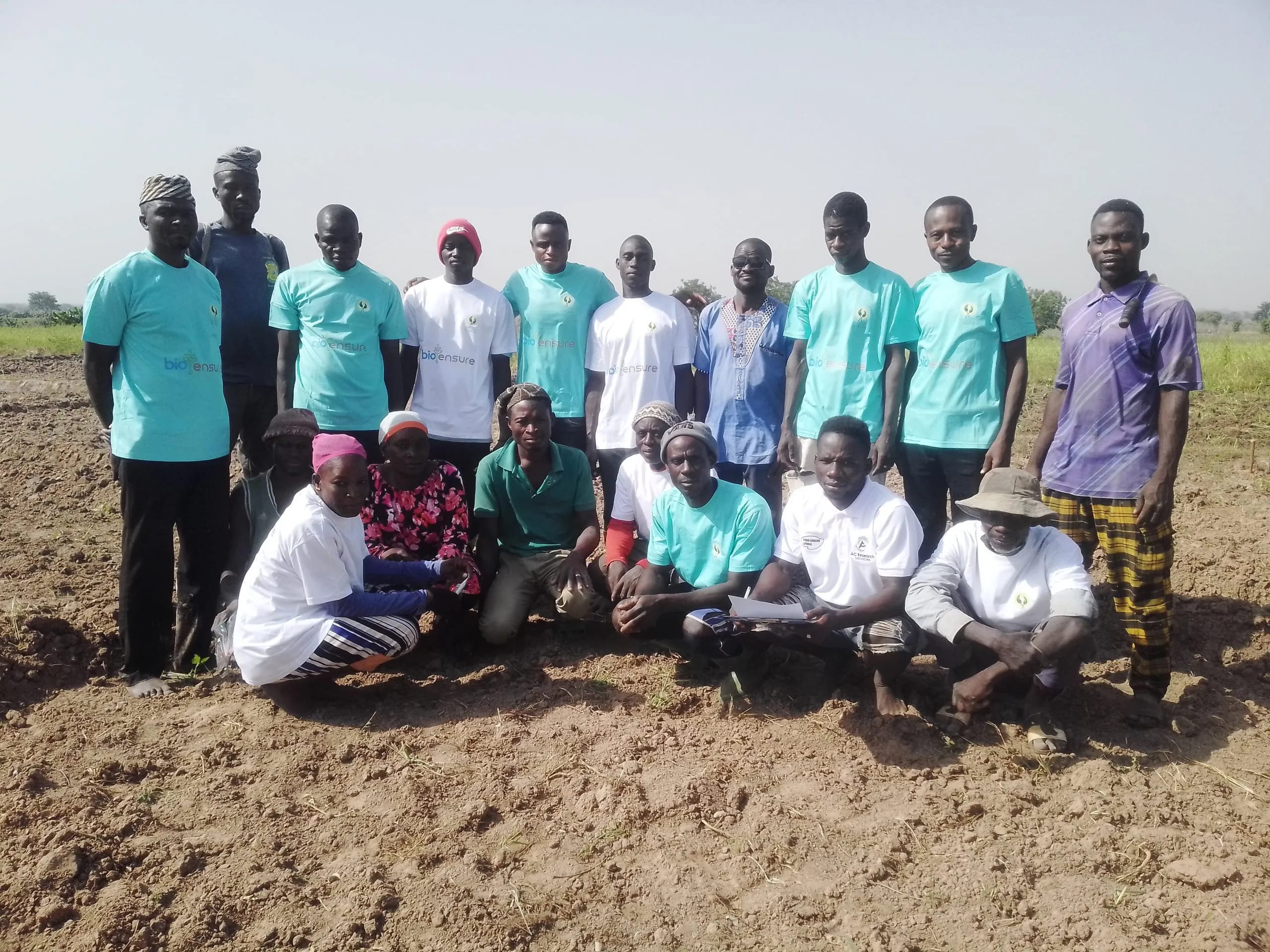
Ghana is a country in West Africa that relies heavily on agriculture for both food security and economic development. In recent years, the government and various research institutions have invested heavily in agricultural research to improve crop yields, increase resilience to climate change, and promote sustainable agriculture practices. Here are some recent developments in agricultural research in Ghana:
Development of new rice varieties: Researchers from the Council for Scientific and Industrial Research (CSIR) in Ghana have developed new varieties of rice that are more resistant to disease and pests and can withstand drought and flooding. The new varieties are also high-yielding and have a shorter growing period, allowing farmers to harvest their crops earlier and reduce losses due to adverse weather conditions.
Promotion of organic farming: The government of Ghana, in collaboration with international organizations, is promoting organic farming as a sustainable alternative to conventional agriculture. Researchers are working to develop organic farming practices that can improve soil health, reduce the use of chemical fertilizers and pesticides, and increase crop yields.
Use of mobile technology to improve agricultural productivity: In Ghana, mobile technology is being used to provide farmers with real-time information on weather patterns, market prices, and best farming practices. This information helps farmers make informed decisions about when to plant their crops, how to manage pests and diseases, and how to market their products for maximum profit.
Development of new cassava varieties: Cassava is an important staple crop in Ghana, but it is vulnerable to pests and diseases. Researchers are working to develop new cassava varieties that are resistant to these threats and can produce higher yields. These new varieties will help improve food security in Ghana and reduce the country’s dependence on imported cassava.
Promotion of agroforestry: Agroforestry is a sustainable farming practice that involves planting trees alongside crops to improve soil health, increase biodiversity, and provide shade and shelter for livestock. Researchers in Ghana are promoting agroforestry as a way to improve crop yields and reduce the negative impacts of deforestation on the environment.
More projects
 Projects
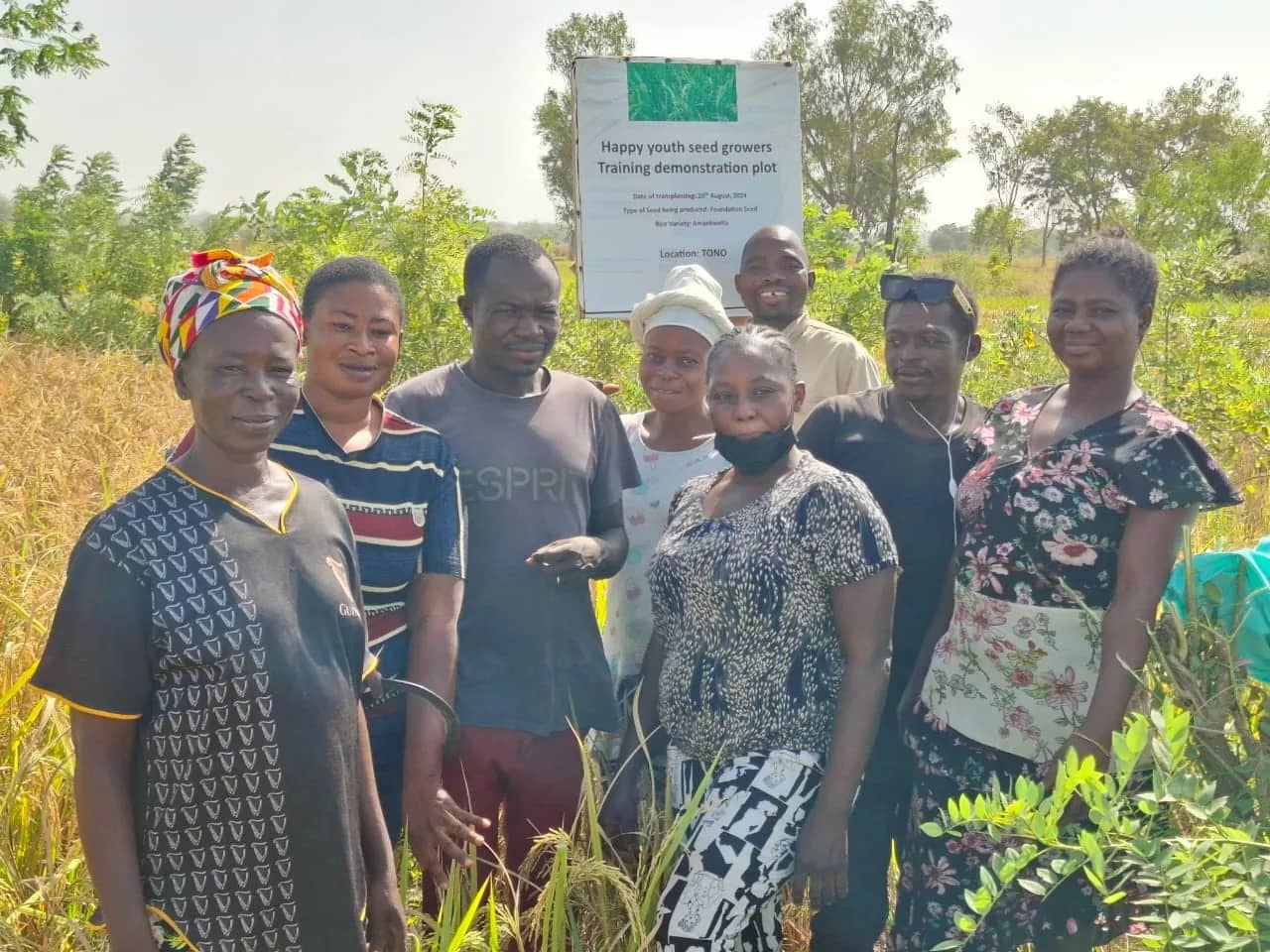
Enhancing Soil and Plant Health for Sustainable Crop Production Through Biochar-Endophyte Synergy in the Savannah Zone of Ghana
Phase 2 of the Food Ensure Ghana Project Title: Enhancing Soil and Plant Health for Sustainable Crop Production Through Biochar-Endophyte Synergy in the Savannah Zone of Ghana Background Following the successful…
Read more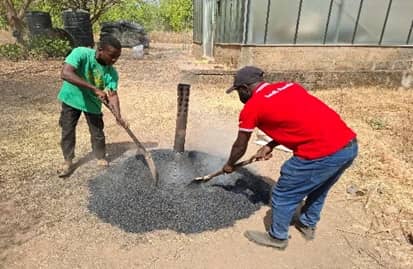 Projects
Synergistic effect of rice husk biochar and endophyte (bioensure and biotango) application on nutrient uptake and nutritional composition of amaranthus
Amaranthus and other vegetable crops are grown by small-scale farmers in Ghana’s northern area, where a variety of chemical fertilizers are also used to enhance the plants’ nutritional makeup and nutrient intake. The…
Read more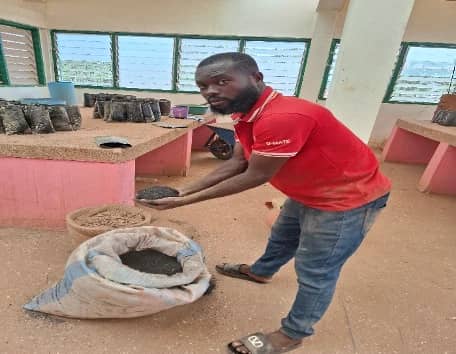 Projects
Using Rice Husk and Sawdust Biochar to Improve Soil for Sustainable Vegetable Farming in Northern Ghana
In sub-Saharan Africa, declining soil fertility and inadequate moisture retention are two of the main obstacles to sustainable vegetable production. This study evaluated the impact of various rates and varieties of…
Read more